


Drips from a roller brush can be a frustrating issue during painting projects. As a roller brush supplier, I understand the importance of providing solutions to help our customers achieve a smooth and drip - free painting experience. In this blog, I'll share some practical tips on how to avoid drips when using a roller brush.
Choose the Right Roller Brush
The first step in preventing drips is to select the appropriate roller brush for your project. Different types of roller brushes are designed for various applications and surfaces.
-
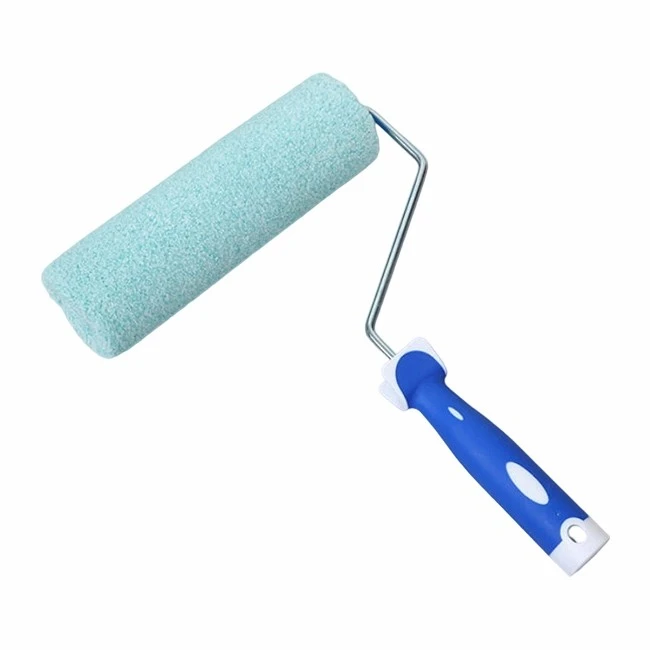
Latex Brush: For latex paints, a Latex Brush is an excellent choice. These brushes are specifically crafted to work well with water - based latex paints. They have a fine texture that allows for even distribution of the paint without excessive dripping. The bristles are usually made of synthetic materials that are resistant to the chemicals in latex paints. This type of brush holds the right amount of paint, reducing the likelihood of drips during application.

-
Tiger Roller Brush: The Tiger Roller Brush is known for its durability and efficient paint - holding capacity. It is suitable for both interior and exterior painting projects. The unique design of the tiger roller brush ensures that the paint is evenly spread across the surface. Its dense bristles or fibers can hold a sufficient amount of paint, but not so much that it causes drips. This type of brush is often used for larger painting areas where a consistent finish is required.
-
Long Hair Paint Roller: When dealing with rough or textured surfaces, a Long Hair Paint Roller is a great option. The long hairs can reach into the crevices and uneven areas of the surface, ensuring full coverage. However, it's important to note that long - haired rollers can sometimes hold more paint, increasing the risk of drips. To mitigate this, make sure to roll the brush on a paint tray or a dry surface to remove any excess paint before starting to paint.
Prepare the Paint and the Roller Brush
Proper preparation of the paint and the roller brush is crucial to avoid drips.
-
Stir the Paint Thoroughly: Before using the paint, stir it well. This ensures that the pigments and additives are evenly distributed throughout the paint. If the paint is not properly stirred, it may have inconsistent viscosity, which can lead to drips. Use a paint stirrer to mix the paint for at least 5 - 10 minutes, depending on the type and volume of the paint.
-
Prime the Roller Brush: If you're using a new roller brush, it's essential to prime it before use. Dip the roller brush into the paint and roll it back and forth on a paint tray or a piece of scrap material. This helps to remove any loose fibers and allows the brush to absorb the paint evenly. A primed roller brush will hold the paint better and reduce the chances of drips.
Loading the Roller Brush
The way you load the roller brush with paint can significantly affect the occurrence of drips.
-
Don't Overload the Brush: One of the most common causes of drips is overloading the roller brush with paint. When you dip the brush into the paint, make sure not to submerge it too deeply. Roll the brush in the paint tray to distribute the paint evenly across the bristles or fibers. A good rule of thumb is to load the brush with just enough paint to cover the area you're working on in one or two passes.
-
Use a Paint Tray with Ridges: A paint tray with ridges or ribs can help remove excess paint from the roller brush. As you roll the brush on the ridges, the excess paint is squeezed out, leaving only the right amount of paint on the brush. This reduces the risk of drips during painting.
Painting Technique
The painting technique you use also plays a vital role in preventing drips.
-
Roll in One Direction: When painting, roll the brush in one direction, preferably from top to bottom or from left to right. This helps to ensure an even application of the paint and reduces the chances of drips. Avoid rolling the brush back and forth in a random pattern, as this can cause the paint to accumulate and drip.
-
Apply Light Pressure: Apply light pressure when rolling the brush on the surface. Excessive pressure can cause the paint to be forced out of the brush, leading to drips. Let the weight of the brush and the paint do the work. A gentle rolling motion will result in a smooth and drip - free finish.
-
Work in Small Sections: Instead of trying to cover a large area at once, work in small sections. This allows you to control the amount of paint on the brush more effectively and reduces the risk of drips. After completing one section, move on to the next, making sure to blend the edges for a seamless finish.
Maintenance of the Roller Brush
Proper maintenance of the roller brush can also help prevent drips.
-
Clean the Brush Regularly: During a long - term painting project, clean the roller brush regularly. This removes any dried paint or debris that may accumulate on the bristles or fibers, which can affect the brush's performance and lead to drips. Use warm soapy water to clean the brush, and make sure to rinse it thoroughly.
-
Store the Brush Properly: When not in use, store the roller brush in a clean and dry place. If you need to store the brush for an extended period, wrap it in plastic or place it in a sealed container to prevent the bristles from drying out and becoming brittle.
Conclusion
Avoiding drips when using a roller brush requires a combination of choosing the right brush, proper preparation, correct loading, and the right painting technique. As a roller brush supplier, we are committed to providing high - quality products and helpful advice to our customers. If you have any questions about our roller brushes or need more tips on painting, feel free to contact us for further discussion and potential procurement. We look forward to working with you to achieve a perfect painting result.
References
- Painting Techniques Handbook, [Publisher Name], [Year of Publication]
- Guide to Roller Brush Selection, [Author Name], [Year of Publication]


